19 October 2026
Timing weekly hyperspectral UAV flights around fungicide spray dates
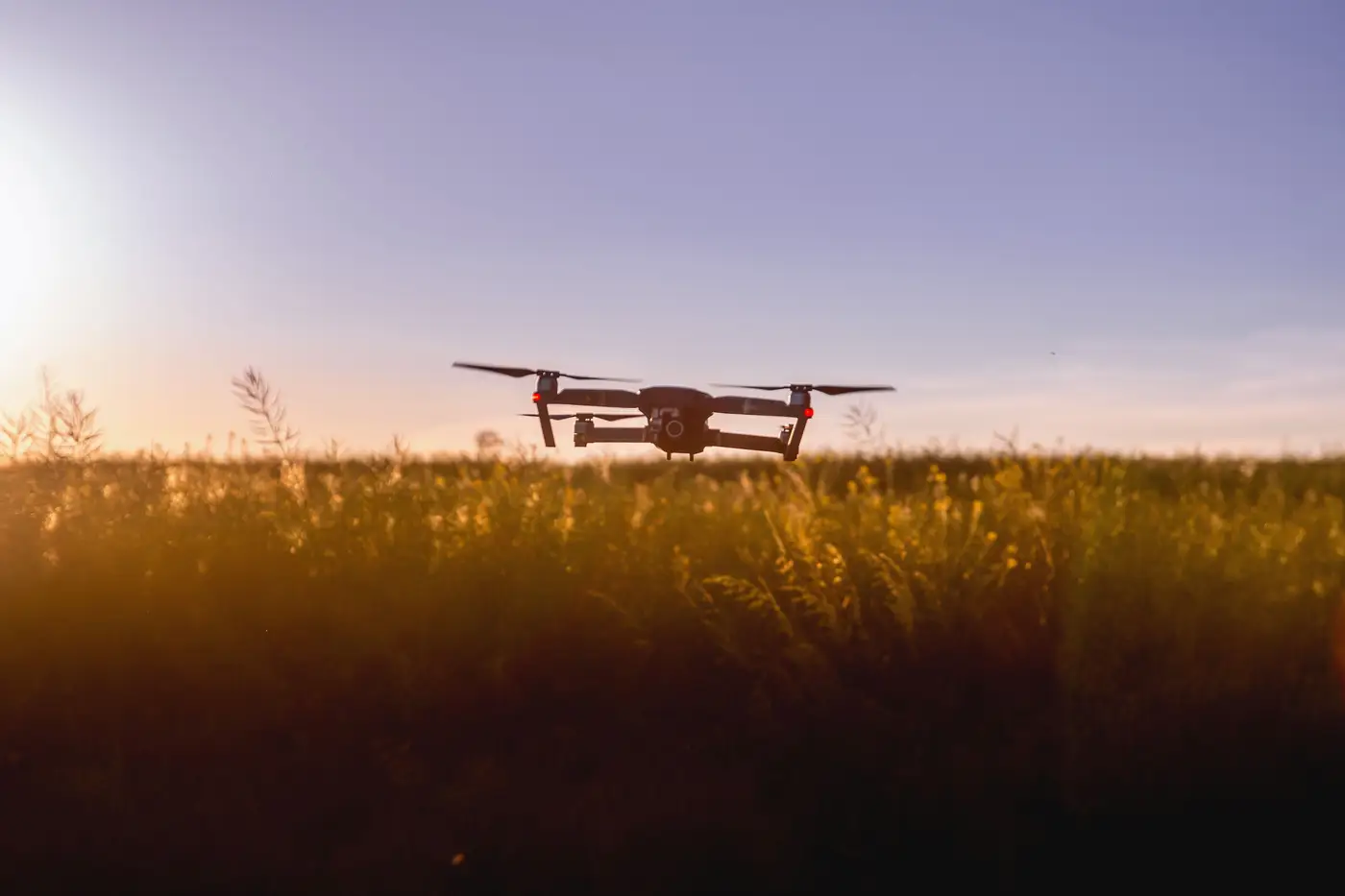
Spray dates and flight dates fight for the same calendar slots, and most trial protocols weren't written with a sensor schedule in mind. Get the sequencing wrong and you end up with imagery that shows spray residue instead of disease, or a gap right when the pathogen is establishing in untreated checks.
Why spray dates throw off your flight calendar
A fresh fungicide application changes leaf surface reflectance for a few days, sometimes longer with oil-based adjuvants or heavy coverage. Fly too soon after a spray event and the hyperspectral signature you're reading is wet residue and surfactant film, not canopy stress. That's a real problem on a weekly cadence, because one bad week of imagery can look like a disease flare that isn't there, or mask one that is.
Build a standing buffer of 48 to 72 hours between any spray date and the next flight. When the spray schedule runs on a fixed day each week, put the flight day on the opposite end of that window, right before the next application goes down. That gives the canopy time to settle and still keeps you flying on a weekly rhythm.
Rainfall events need the same treatment. A flight scheduled the morning after overnight rain is going to show leaf wetness and runoff patterns on the spectral signature that have nothing to do with pathogen spread. If your region gets unpredictable late-season storms, build a day or two of slack into each week's flight window rather than locking to a single fixed day.
Building the calendar around incubation, not convenience
Trial leads often sequence the flight calendar around application logistics instead of the pathogen's biology. The gap that counts is the one between infection and the point where a spectral anomaly would show up ahead of visible symptoms. That gap is the whole reason to fly hyperspectral at all instead of waiting for a scout to walk the rows.
A few things worth locking into the protocol before the season starts:
- Baseline flight before the first spray. You need a pre-treatment pass over every plot so later weeks have something to compare against. Skipping this means week three's anomaly has no clean reference point.
- Flights timed to incubation period, not calendar convenience. If the target pathogen typically shows symptoms 10 to 14 days after infection, your weekly cadence should put at least one flight inside that window on the untreated checks, not just on the treated plots where you expect nothing to happen.
- Consistent time of day. Sun angle shifts the reflectance baseline enough to muddy week-over-week comparisons if one flight is at 9am and the next is at 2pm. Pick a window and hold it across the trial.
- A buffer day built into the week, not a fixed day, so a spray delay or a rained-out flight doesn't collapse the whole schedule.
None of this requires changing the trial design itself. It's a scheduling discipline layered on top of a protocol that was probably written by someone thinking about application equipment availability, not sensor timing.
What a missed week actually costs you
If a flight slips past the incubation window on a fast-moving pathogen, you don't get that week back. The whole value of flying ahead of visible symptoms is catching the signature while it's still a within-field anomaly rather than a patch you can see from the truck. A trial site that's weeks into an outbreak by the time the first flight happens after the gap is a trial site you're now reading reactively, same as everyone else walking the rows.
That's the gap Crop Disease Alert is built to close: hyperspectral passes on a weekly cadence, tracked against known pathogen patterns, so you get an early-warning note for each site before the outbreak is visible on the ground. We're running this with a small early-access group of trial leads right now, so if your spray calendar and your flight calendar are fighting each other this season, it's worth getting in touch.