2 November 2026
Field notes: when the outbreak outran the spray schedule
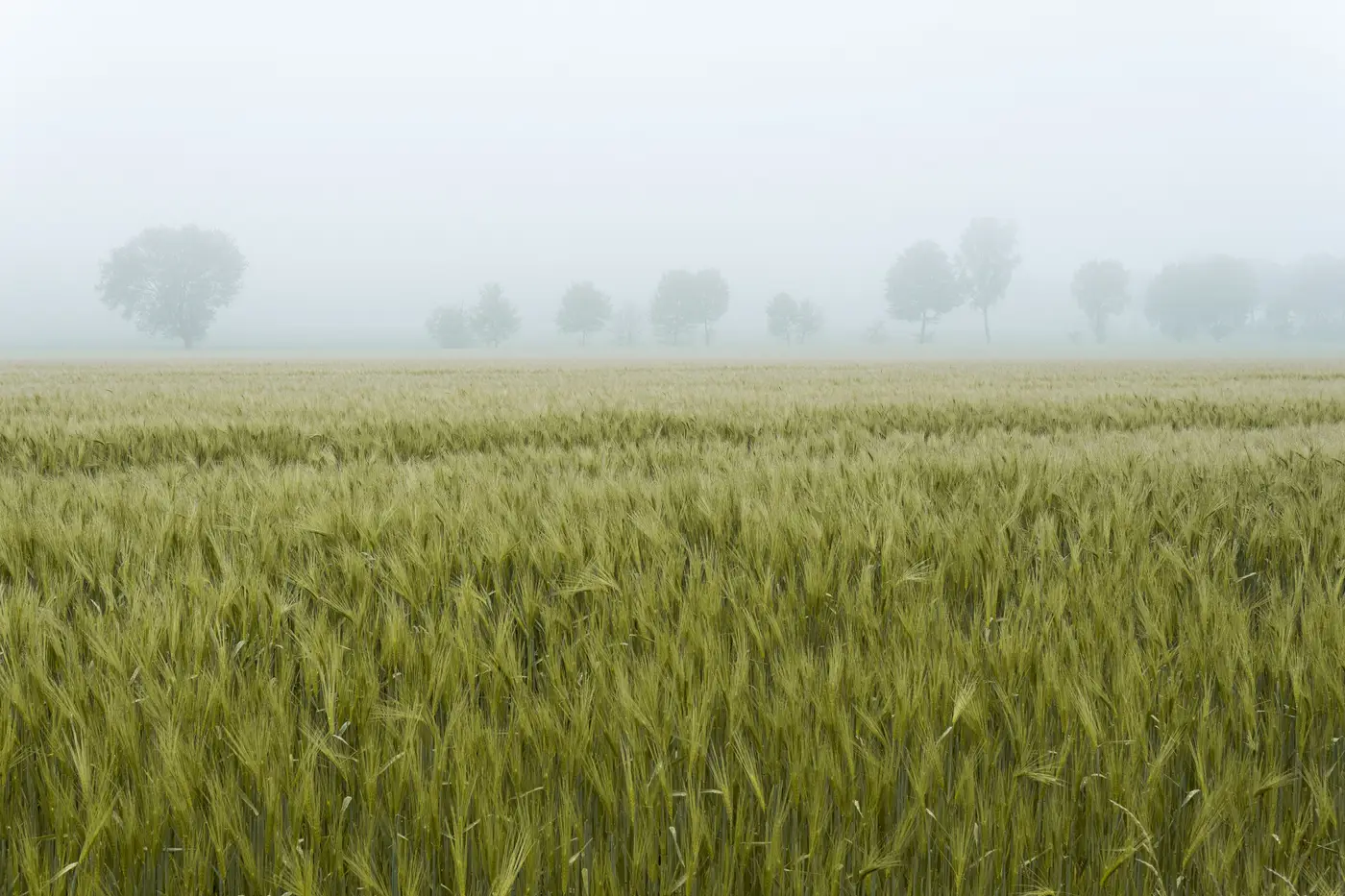
There's a particular kind of bad morning every field trials lead knows. You pull the disease severity ratings from Tuesday's scouting pass, cross-reference them against the spray calendar, and the numbers don't line up. The untreated check is running ahead of schedule. Not by a day or two. By enough that the next fungicide timing, the one you locked in back in February based on a degree-day model and last year's pressure curve, is already behind the pathogen.
This happens more than people admit, usually surfacing in the conversation at the trailer at the end of a long day, because saying a protocol got outrun by the disease it was designed to track feels like admitting you missed something you should have caught.
Scouting on a weekly or ten-day rotation confirms a pattern once it's already visible. It was never built to catch an inflection point. By the time a canopy shows the first uniform yellowing or the first ring of lesions, the fungus has usually been moving through the leaf tissue for a week or more. The visible symptom is a lagging indicator. Spray timing built around visible symptoms is, by definition, built around old information.
The cases that stick with people are the ones where the gap between infection and symptom happened to land right across a spray interval. A warm, wet stretch in late vegetative stage, cool nights breaking the dew point window wider than normal, and suddenly the disease progress curve steepens in a way nobody's spreadsheet accounted for. The fungicide applied on schedule still goes down at the labeled rate and the labeled timing. It's just no longer protecting against the amount of inoculum that's actually there. Efficacy data from that block comes back muddled, the treated and untreated plots start converging in ways that don't match the mode of action, and someone has to decide whether to flag the replicate as compromised or try to explain the variance in the writeup.
Knowing the canopy changed before anyone walked the rows matters more than a tighter spray calendar. A spectral signature shifts in infected tissue days before chlorophyll breakdown is visible to a person standing in the field, sometimes well before the plant is visibly stressed at all. That shift doesn't respect the sampling grid a scouting crew covers in an afternoon. It shows up uniformly across the block if you're looking at the whole canopy at once, which is a different thing entirely from spot-checking a few hundred plants and extrapolating.
That's the gap Crop Disease Alert is built around: flagging the anomalous spectral patch against known pathogen behavior before it reads as a visible outbreak on the ground, so a trial site gets a warning note while there's still a spray window left to use it. It gives the scouting crew and the pathologist's eye a head start on the block that's about to move faster than the schedule assumed.
The honest version of this story, the one that doesn't make it into a lot of end-of-season reports, is that disease pressure doesn't wait for a protocol to be convenient. The trial sites that hold up are usually the ones where somebody caught the shift early enough to still have options.
If you're running trials where a missed inflection point has cost you a clean dataset before, it might be worth seeing what an early-warning note a week ahead of scouting would have looked like.